




EA88 là nhà cái uy tín hàng đầu trên thị trường cá cược trực tuyến, được cấp phép hoạt động hợp pháp bởi PAGCOR, cơ quan quản lý trò chơi danh tiếng tại Philippines. Với hệ thống bảo mật hiện đại, tỷ lệ kèo cạnh tranh cùng kho game đa dạng, thương hiệu Ea88.com mang đến trải nghiệm giải trí an toàn và minh bạch. Đặc biệt, khi đăng ký tài khoản mới, hội viên còn nhận ưu đãi nạp đầu cực hấp dẫn lên đến 8.888K.
EA88 hiện đang được đánh giá là một trong những thương hiệu giải trí trực tuyến uy tín hàng đầu, thu hút lượng lớn người chơi nhờ vào nền tảng công nghệ hiện đại và hệ thống game phong phú từ cá cược thể thao, casino trực tuyến đến nổ hũ săn jackpot. Tất cả đều được cung cấp trực tiếp bởi các NPH uy tín.
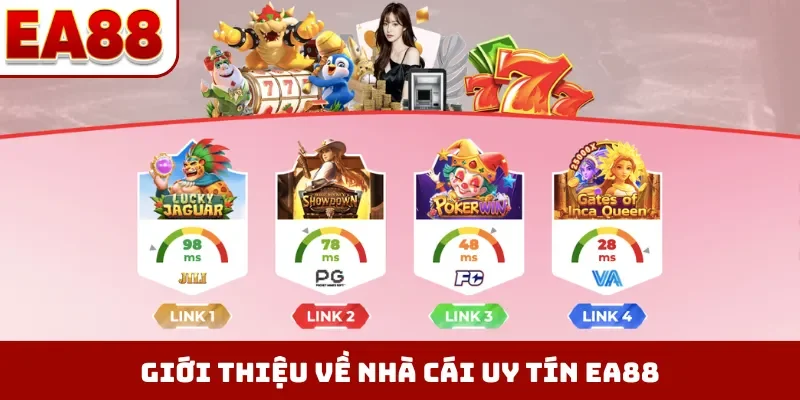
Sự tin tưởng của người chơi đối với EA88 không chỉ đến từ chất lượng dịch vụ mà còn ở tính minh bạch trong quy trình trả thưởng và cơ sở pháp lý rõ ràng. Nhà cái hoạt động dưới sự giám sát chặt chẽ của tổ chức cược quốc tế, đảm bảo quyền lợi của khách hàng luôn được đặt lên hàng đầu.
| Thông tin | Chi tiết |
| Giấy phép hoạt động | Được cấp phép bởi chính phủ Philippines thông qua tổ chức PAGCOR (Philippines Gaming Corporation) |
| Chứng nhận công bằng | Kiểm định bởi iTech Labs và GLI (Gaming Laboratories International), đảm bảo trò chơi có kết quả ngẫu nhiên |
| Bảo mật dữ liệu | Sử dụng công nghệ mã hóa SSL 128-bit với hệ thống tường lửa đa lớp để bảo vệ thông tin cá nhân. |
| Trách nhiệm người chơi | Hợp tác cùng các tổ chức hỗ trợ như BeGambleAware và GamCare để thúc đẩy môi trường cá cược lành mạnh |
| Nền tảng hỗ trợ | Website trực tuyến, ứng dụng di động (iOS & Android) với tốc độ truy cập tối ưu trên mọi nền tảng |
Dưới đây là ưu điểm nổi bật khi cá cược tại EA88 mà bất cứ ai cũng không nên bỏ qua. Nhà cái đảm bảo mang đến trải nghiệm giải trí an toàn và hấp dẫn với kho game đỉnh cao, tỷ lệ kèo cạnh tranh, đồng thời hỗ trợ giao dịch nhanh chóng, bảo mật cao cùng nhiều chương trình ưu đãi giá trị.
Hệ thống bảo mật tại EA88 được xây dựng dựa trên những tiêu chuẩn kiểm định dữ liệu khắt khe nhất để bảo vệ quyền riêng tư, dữ liệu của hội viên. Các công nghệ tiên tiến này giúp ngăn chặn triệt để mọi hành vi xâm nhập trái phép từ bên ngoài.
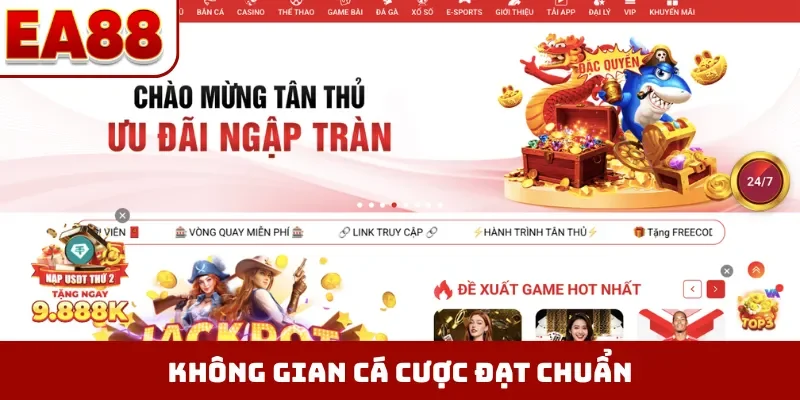
Đội ngũ nhân viên hỗ trợ tại EA88 luôn làm việc chuyên nghiệp, túc trực trực tuyến 24/7 để giải quyết mọi thắc mắc của người chơi qua nhiều kênh liên lạc như hotline, live chat, Telegram. Mọi vấn đề về kỹ thuật hay giao dịch đều được tiếp nhận cũng như xử lý nhanh chóng bởi các chuyên viên giàu kinh nghiệm.
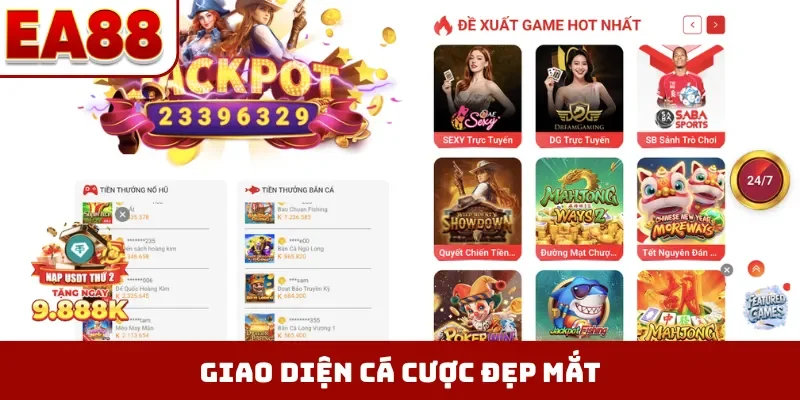
Giao diện trang web cá cược tại EA88 được thiết kế hiện đại với bố cục trực quan gồm các chuyên mục như thể thao, casino, bắn cá, nổ hũ,… giúp người chơi dễ dàng thao tác từ lần đầu truy cập. Hệ thống đồ họa không chỉ chú trọng vào thẩm mỹ mà còn tối ưu hóa trải nghiệm trên cả máy tính lẫn điện thoại.
Từ thưởng nạp đầu, ưu đãi mỗi ngày đến hoàn trả định kỳ, tất cả chương trình khuyến mãi EA88 đều mang đến cơ hội nhận thưởng mà không cần nạp tiền vào tài khoản qua nhiều lần.
| Tên chương trình | Giá trị thưởng hấp dẫn |
| Phát thưởng định kỳ | Ngày 05 – 15 – 25 hàng tháng phát thưởng nghìn tỷ |
| Thành viên mới nạp đầu | Nạp từ 50K thưởng lên đến 18.888K |
| Thưởng nạp mỗi lần | Tự động cộng thêm lên đến 1,5% giá trị nạp |
| Ưu đãi nạp USDT | Thưởng nạp USDT vào thứ 2 mỗi tuần lên đến 9.888K |
| Điểm danh nhận quà | Điểm danh 7 ngày có cơ hội trúng iPhone 17 Pro Max |
| Bảo hiểm cược thua | Hoàn trả cược thua bắn cá – nổ hũ lên đến 108.898K |
| Thưởng VIP Club | Cấp độ càng cao phần thưởng càng lớn, lên đến 500.000K |
| Giới thiệu bạn bè | Nhận thưởng không giới hạn và ưu đãi trọn đời |
| Tải app nhận lì xì | Tải ứng dụng nhận ngay lì xì may mắn 988K |
EA88 hiện đang cung cấp 8 danh mục sản phẩm chính bao gồm thể thao, bắn cá, game bài, nổ hũ, xổ số, esports,… Điều này mang đến cho người chơi một không gian cá cược đẳng cấp với hàng nghìn cách chiến thắng khác nhau.
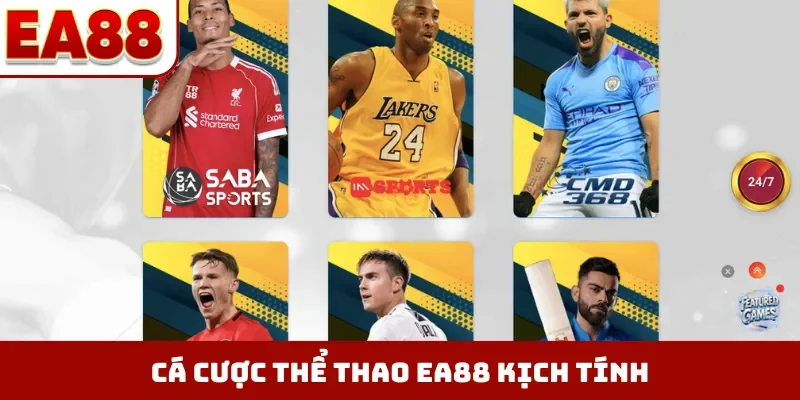
Sảnh thể thao EA88 mang đến một không gian giải trí hấp dẫn với hệ thống kèo siêu cạnh tranh, quy tụ đầy đủ các bộ môn từ bóng đá, bóng rổ đến cricket. Nhờ sự hợp tác với những nhà cung cấp hàng đầu thế giới, hội viên có thể dễ dàng tham gia trực tiếp với tỷ lệ thưởng cạnh tranh.
Casino EA88 mang đến trải nghiệm sòng bạc đẳng cấp quốc tế với hệ thống bàn chơi được truyền hình trực tiếp, có sự xuất hiện của các dealer thật chuyên nghiệp. Nhờ việc hợp tác với EVO, WM, SA, AE Sexy, GD,… hội viên có thể tận hưởng không khí giải trí chân thực, minh bạch thông qua các phòng chơi hiện đại, đa ngôn ngữ.
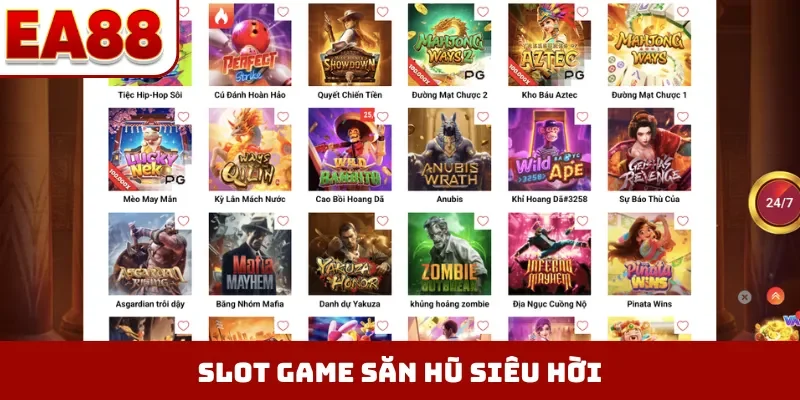
Sảnh nổ hũ EA88 là lựa chọn lý tưởng cho những ai yêu thích cảm giác hồi hộp săn jackpot đổi tiền thật hấp dẫn. Với sự góp mặt của hàng loạt nhà cung cấp game danh tiếng, hội viên có thể thỏa sức khám phá kho trò chơi đồ sộ với chủ đề đa dạng, từ văn hóa cổ điển đến phong cách hiện đại cùng đồ họa sắc nét.
Với sự kết hợp từ nhiều nhà phát hành game hàng đầu như KA, JDB, JILI,… những game bắn cá EA88 mang đến trải nghiệm mượt mà cùng hệ thống vũ khí đa dạng và các loài sinh vật biển phong phú. Giao diện được thiết kế sinh động với âm thanh bắt tai, giúp mỗi chuyến đi săn trở nên kịch tính, đầy lôi cuốn.
Giao diện sảnh xổ số được thiết kế tối ưu với đồng hồ đếm ngược thời gian thực, giúp người chơi dễ dàng theo dõi các lượt xổ sắp tới và không bỏ lỡ cơ hội đặt cược. Sự minh bạch trong kết quả cùng tốc độ trả thưởng nhanh chóng chính là yếu tố then chốt giúp sảnh lô đề EA88 thu hút hơn 10N lượt truy cập mỗi ngày.
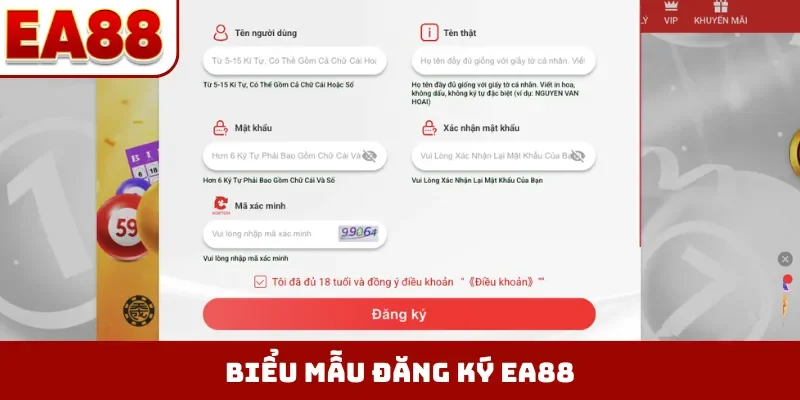
Dưới đây là hướng dẫn đăng ký EA88 chi tiết giúp bạn nhanh chóng tạo tài khoản để bắt đầu trải nghiệm các dịch vụ cá cược hấp dẫn. Chỉ với vài thao tác đơn giản, tân thủ đã có thể trở thành hội viên chính thức rồi nhận ngay nhiều ưu đãi giá trị.
Quy trình nạp rút tiền tại EA88 được cung cấp minh bạch, đảm bảo an toàn và bảo mật cho mọi giao dịch của người chơi. Hệ thống xử lý nhanh, hỗ trợ đa dạng phương thức thanh toán giúp bạn dễ dàng nạp rút tiền mọi lúc mà không gặp trở ngại.
Các phương thức như chuyển khoản ngân hàng, quét QR code hay ví điện tử đều được tích hợp nhằm rút ngắn thời gian xử lý, hạn chế sai sót trong quá trình nạp tiền. Bên cạnh đó, việc hỗ trợ tiền mã hóa như USDT còn giúp mở rộng hạn mức giao dịch, đồng thời tăng tính bảo mật cho những người chơi ưu tiên sự riêng tư.
| Phương thức nạp tiền | Hạn mức tối thiểu | Hạn mức tối đa | Ưu điểm nổi bật |
| Quét mã QR | 200.000 VNĐ | 299.000.000 VNĐ | Thao tác nhanh, không cần nhập tay, hạn chế sai sót |
| Ngân hàng địa phương | 10.000 VNĐ | 300.000.000 VNĐ | Phổ biến, tương thích hầu hết ngân hàng Việt Nam |
| Ngân hàng trực tuyến | 50.000 VNĐ | 300.000.000 VNĐ | Xử lý thời gian thực, bảo mật cao |
| Xem MoMo | 10.000 VNĐ | 15.000.000 VNĐ | Nhanh gọn và xác nhận giao dịch tức thì |
| ZaloPay | 50.000 VNĐ | 20.000.000 VNĐ | Dễ thao tác, hệ sinh thái rộng |
| Thẻ cào điện thoại | 10.000 VNĐ | 1.000.000 VNĐ | Riêng tư, phù hợp giao dịch nhỏ |
| USDT (tiền ảo) | 100.000 VNĐ (≈ 3,79 USDT) | 1.000.000.000 VNĐ (≈ 37.979 USDT) | Hạn mức cao (thay đổi tỷ giá liên tục), bảo mật tốt, ưu đãi thêm |
Để thực hiện nạp tiền vào tài khoản EA88, người chơi chỉ cần thực hiện theo các chỉ dẫn đơn giản và minh bạch trên giao diện chính thức. Hệ thống hỗ trợ đa dạng phương thức từ ngân hàng đến tiền ảo nhằm tối ưu hóa trải nghiệm giao dịch cho mọi hội viên.
Tại EA88, hội viên có thể dễ dàng chuyển đổi số dư từ ví chính về tài khoản cá nhân thông qua hệ thống hỗ trợ rút tiền đa kênh. Các yêu cầu thanh toán luôn được xử lý liên tục trong ngày giúp người chơi hoàn toàn chủ động với nguồn vốn của mình.
Dưới đây là những câu hỏi thường gặp khi chơi game tại EA88 mà bạn có thể tham khảo thêm. Điều này sẽ giúp hội viên hiểu rõ hơn về cách sử dụng sản phẩm dịch vụ do nhà cái cung cấp.
EA88 là nhà cái uy tín được cấp phép hoạt động hợp pháp bởi PAGCOR. Hệ thống bảo mật tại đây đạt tiêu chuẩn quốc tế với công nghệ mã hóa SSL 128-bit, tường lửa đa lớp (WAF) và xác thực 2 yếu tố (2FA) giúp bảo vệ tuyệt đối thông tin.
Người mới khi đăng ký thành công, sau đó thực hiện nạp tiền lần đầu có cơ hội nhận phần thưởng lên đến 8.888K. Ngoài ra, tùy vào mức nạp (từ 50K), giá trị thưởng nạp đầu có thể lên tới 18.888K cùng nhiều chương trình lì xì khác.
Hệ thống hỗ trợ đa dạng kênh thanh toán với hạn mức linh hoạt: Nạp tiền tối thiểu từ 10.000 VNĐ và tối đa lên đến 1.000.000.000 VNĐ (qua USDT). Các giao dịch được xử lý nhanh chóng, gần như thời gian thực đối với nạp tiền và được xử lý liên tục trong ngày đối với yêu cầu rút tiền.
Đội ngũ nhân viên hỗ trợ của EA88 túc trực 24/7 để giải quyết mọi vấn đề kỹ thuật và giao dịch. Bạn có thể liên hệ qua nhiều kênh được tích hợp sẵn trên giao diện.
EA88 cung cấp kho game đẳng cấp với 8 danh mục chính bao gồm: Thể thao (kèo cược cạnh tranh từ các đối tác SABA, CMD368,…), casino trực tuyến, nổ hũ & bắn cá, xổ số.
EA88 tự hào là địa chỉ cá cược uy tín, sở hữu chứng nhận từ PAGCOR. Tham gia giải trí tại nhà cái ngay hôm nay, bạn sẽ có cơ hội nhận thưởng lên đến 8.888K siêu hấp dẫn. Nhà cái hiện đang ghi nhận hơn 100N lượt truy cập mỗi tháng khi cung cấp không game giải trí đạt chuẩn, dịch vụ chuẩn nghiệp và sản phẩm chất lượng.